Otzi's Diet
Otzi's digestive tract contains the remains of three meals. They were composed of cooked grains (wheat bread and wheat grains), meat, roots, fruit and seeds (1, 2). The meat came from three different animals-- chamois, red deer and ibex. The "wheat" was actually not what we would think of as modern wheat, but an ancestral variety called einkorn.
Isotope analysis indicates that Otzi's habitual diet was primarily centered around plant foods, likely heavily dependent on grains but also incorporating a variety of other plants (3). He died in the spring with a belly full of einkorn wheat. Since wheat is harvested in the fall, this suggests that his culture stored grain and was dependent on it for most if not all of the year. However, he also clearly ate meat and used leather made from his prey. Researchers are still debating the quantity of meat in his diet, but it was probably secondary to grains and other plant foods. It isn't known whether or not he consumed dairy.
Read more �
Tuesday, April 17, 2012

Masks for Lighten Skin
Masks for Lighten Skin

Masks to Lighting Skin (elements):
Keeping your skin clean and healthy is important, because many factors our skin loses its original color. We present the 8 best skin lightening mask, an excellent choice for relaxation and improve skin appearance.

- Elder Flower: If you know of excellent skin lightening mask the elderflower is powder and mixed with a towel placed on the skin until dry.

- Plain yogurt: One of the best skin lightening mask is to apply yogurt to dry and remove with water.

- Potato juice: Place in the face and let dry potato juice is one of the best options for skin lightening mask.


- Rice water: Among the best skin lightening masks have rice water is to boil some rice and put the resulting water.

- Aloe Vera: The best skin lightening mask would not be complete without aloe Vera gel to put your face is an excellent choice.

- Lemon: Mixed with two egg whites make the best skin lightening mask.

- Orange peels: Do these masks for dry skin lightening peels left, do it and make a cream powder mix with milk.
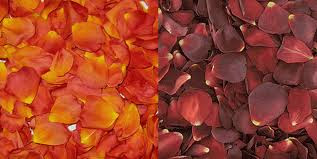
- Rose petals and flowers of rosemary: These masks to lighten skin boil consist of rose petals and flowers of rosemary in white wine.
Monday, April 16, 2012
Exercise and Food Intake
The New York Times just published an article reviewing some of the recent research on exercise, food intake and food reward, titled "Does Exercise Make You Overeat?". I was planning to write about this at some point, but I don't know when I'd be able to get around to it, and the NYT article is a fair treatment of the subject, so I'll just point you to the article.
Basically, burning calories through exercise causes some people to eat more, but not everyone does, and a few people actually eat less. Alex Hutchinson discussed this point recently on his blog (1). Part of it depends on how much fat you carry-- if you're already lean, the body is more likely to increase hunger because it very much dislikes going too low in body fat. Most overweight/obese people do not totally make up for the calories they burn through exercise by eating more, so they lose fat. There is a lot of individual variability here. The average obese person won't lose a substantial amount of fat through exercise alone. However, everyone knows someone who lost 50+ pounds through exercise alone, and the controlled trials support that it happens in a minority of people. On the other side of the spectrum, I have a friend who gained fat while training for a marathon, and lost it afterward.
Read more �
Basically, burning calories through exercise causes some people to eat more, but not everyone does, and a few people actually eat less. Alex Hutchinson discussed this point recently on his blog (1). Part of it depends on how much fat you carry-- if you're already lean, the body is more likely to increase hunger because it very much dislikes going too low in body fat. Most overweight/obese people do not totally make up for the calories they burn through exercise by eating more, so they lose fat. There is a lot of individual variability here. The average obese person won't lose a substantial amount of fat through exercise alone. However, everyone knows someone who lost 50+ pounds through exercise alone, and the controlled trials support that it happens in a minority of people. On the other side of the spectrum, I have a friend who gained fat while training for a marathon, and lost it afterward.
Read more �
10 Foods to Make You Happier
We�ve all had a rotten mood. For many people, eating food (such as junk food) can make their health worse; which only worsens their mood.
But what if there was food that was healthy, and could also act as a natural anti-depressant? There are foods that meet those qualifications! Here are the 10 best foods, that will make you happy, and keep you healthy:
10. Swiss Chard
This little-used vegetable contains a lot of magnesium. Magnesium is a nutrient that is a vital part of the biochemical reactions that increase energy levels in the human body.

A study in 2009 in the �Australian and New Zealand Journal of Psychiatry� discovered that lower magnesium levels were associated with higher depression scores.
9. Blue Potatoes
Blue Potatoes aren�t exactly a commonplace produce to find in a grocery store. However, they have powerful antioxidants known as anthocyanins; anthocyanins provide neuro-protective qualities, like reducing the brain inflammation that is commonly associated with depression, and boosting short-term memory. Your thyroid gland is maintained, as well, by the iodine found in the peel.
8. Mussels
Mussels have moderate to high amounts of Vitamin B12, Selenium, Iodine, protein, and Zinc, while being low in calories and fat. The Iodine helps to, as previously mentioned, support the thyroid gland, which helps to regulate mood and weight; the Selenium and Zinc help the thyroid gland, as well. The Vitamin B12 helps to strengthen and insulate a person�s brain cells, which keeps the brain sharp over time.
Note: Be sure to eat farmed mussels rather than wild mussels, as this will not only benefit your health, but the health of the environment as well.
Note: Be sure to eat farmed mussels rather than wild mussels, as this will not only benefit your health, but the health of the environment as well.
7. Dark Chocolate
Yes, you read that correctly. Dark chocolate has benefits that milk and German chocolate do not have. Dark chocolate improves the blood-flow to the brain, and provides an instant boost in concentration and mood. This will help you to feel more energetic and vibrant. However, don�t go overboard: The �Journal of Psychopharmacology� says that all you need is a few ounces of dark chocolate each day to reap the benefits.
6. Greek Yogurt
Calcium � which Greek yogurt has large amounts of (more than milk) � helps a person�s brain by causing it to release happiness-inducing neurotransmitters. Greek yogurt also has more protein than regular yogurt, which makes weight-loss easier.
5. Asparagus
Asparagus has high levels of folate and tryptophan. Low levels of folate have been linked to depression in half of all cases of depression, according to recent research. Tryptophan is also used by the brain to make serotonin, which is one of the human brain�s main mood-stabilizing neurotransmitters. Note: Turkey is also a great source of tryptophan. While it has been known to make people sleepy during Thanksgiving, the tryptophan requires calories in order to activate its sedative-like effects.
4. Honey
In regards to health, honey is far better than regular sugar. Honey contains kaempferol and quercetin, which helps to prevent depression (and keep your brain healthy) by reducing inflammation in the brain. It also won�t send your body into �fat-storage� mode, like regular sugar can, by having less of an impact on blood-sugar levels.
3. Cherry Tomatoes
All tomatoes have a substance known as lycopene. Lycopene is an antioxidant that fights inflammation in the brain and generally protects the brain. For best results, eat them with olive oil; olive oil helps to increase the absorption of lycopene.
2. Eggs
Eggs contain moderate-to-large amounts of Zinc, Vitamin B, Iodine, Omega-3 Fatty Acids, and protein. Not only can eggs keep you energized, they can also keep you full (stomach-wise) for longer! A 2008 study in the �International Journal of Obesity� found that people who had eggs for breakfast lost considerably more weight, compared to those who ate bagels for breakfast.
1. Coconuts
Despite the fact that coconuts are most commonly found in unhealthy desserts, coconuts do contain medium-chain triglycerides. Medium-chain triglycerides are special fats that fuel better moods and promote general brain-health. Note: Coconut milk, on the other hand, is actually pretty unhealthy. Stick with unsweetened coconut shavings.
Source : http://listverse.com/2012/03/28/10-foods-to-make-you-happier/
Sunday, April 15, 2012
Next Primal Chef Event Sunday 5/20
Gil Butler has been working on a television show called Primal Chef, where he invites local chefs to make creative dishes from a list of Paleo ingredients, in a designated amount of time. The format is reminiscent of Iron Chef. The food is judged afterward by figures in the Paleo community. Robb Wolf was a judge on the first episode.
Gil has invited me to be a judge on the next show, along with Sara Fragoso and Dr. Tim Gerstmar. The next day, Sunday April 20th, Gil is organizing a catered Primal Chef event in Seattle, with Paleo dinner, speakers, entertainment, prizes, and a screening of part of Paleo Chef episode 1. You can read the details and sign up here. I won't be speaking because I don't have time to put together another talk right now, but I will be attending the event.
Gil has invited me to be a judge on the next show, along with Sara Fragoso and Dr. Tim Gerstmar. The next day, Sunday April 20th, Gil is organizing a catered Primal Chef event in Seattle, with Paleo dinner, speakers, entertainment, prizes, and a screening of part of Paleo Chef episode 1. You can read the details and sign up here. I won't be speaking because I don't have time to put together another talk right now, but I will be attending the event.
Friday, April 13, 2012
SMOKING IS HARMFUL FOR HEALTH

Say No To Smoking for health
The relationship between cigarette smoking and the development of many serious diseases is becoming clearer. This has led to an increase in inquiries in the health community and mental health.
WHO considers an addiction to snuff dependence? Such dependence, as well as many others, must be addressed properly, because nicotine can control some important aspects of a person's behavior.
Like other euphoric substances (alcohol and cocaine), on snuff is able to produce effects that enter into the mood of the person and their deprivation triggers search behavior of the substance.
The cigarette smokers have a significantly reduced life expectancy compared to the rest of the population. Some authors have estimated that 5.5 minutes of life lost per cigarette has been smoked. In 30 - 35 years of age who smokes two packs a day, life expectancy decreased from 8 to 9 years compared to a nonsmoker the same age.
Effect in Human
It has not been widely established, unlike other addictions, which smoking causes serious psychological disturbances, apart from the impulse or need to consume and how hard it is abandoned.
Cigarette smoke contains lots of toxic substances, including carbon monoxide (CO). CO has high affinity for hemoglobin, red blood cell component that carries oxygen to the tissues, so that red blood cells of smokers lose 15% of the oxygen carrying capacity. This can injure the heart and circulatory system. Can be found also other gases such as nitrous oxide and hydrogen oxide, responsible for cough and restrict the flow of air through the bronchi.

Tar is a carcinogen that causes absolute and encourages the development of various tumors.
Nicotine produces an increase in heart rate, blood pressure, cardiac output and oxygen consumption in the tissues.
The risk of lung cancer is 10 times higher in a smoker, and heavy smokers (2 or more packs per day) the risk is 15 to 25 times higher.
The children of smoking mothers weigh less at birth compared to infants of nonsmokers.
Treatment
Currently there are a variety of interventions to help the smoker to quit their habit, many of whom have better long-term, between 6 and 12 months. Numerous studies have demonstrated that treatment approaches that incorporate behavior change of the person are those that offer a greater chance of success.

Lately it has incorporated the use of nicotine replacement therapies in the form of gums and patches.
For treatment to be effective must be met in three stages: � Commitment to quit and setting goals. � Initial change: mainstay of treatment includes group therapy, nicotine replacement, behavioral management techniques and relaxation, individual follow-up, etc.. � Maintenance of quitting: mainly ready to face the withdrawal symptoms, as many of those who relapse have at least one symptom of nicotine withdrawal
The latter is very important because it is responsible for 70% of those who quit falls in the same year.
History of Smoking
The first Europeans who came to America found that the Indians smoked a pipe leaves snuff, and introduced the practice in Europe in the mid-sixteenth century. Almost all the snuff was consumed in pipes, cigars or as snuff. This pattern changed in the early twentieth century, when every smoker had been consuming more than one thousand cigarettes a year. The general attitude of society was that the tension eased snuff and had no ill effects. During World War II doctors recommended sending cigarettes to the soldiers, so it was included in batches of rations.

However, epidemiologists were quick to note that lung cancer, rare before the twentieth century, had increased considerably in the early 1930's. Some organizations initiated studies comparing the deaths of smokers with non-smokers over a period of several years, either to die of cancer or other causes. Furthermore, experimental animal studies showed that many of the chemicals in cigarette smoke are carcinogenic. In 1962, the U.S. government chose a group of ten scientists to analyze the evidence available to them. Their findings were included in the annual report on health in 1964, which stated that "smoking is a health hazard of sufficient importance to justify the need for appropriate remedial actions."
The first step taken in 1964 was to include a warning on cigarette packs. This warning was reinforced in 1969 to read as follows: "Health authorities warn that the snuffs seriously damage your health." Since 1971 banned all cigarette advertising on radio and television. In the 1970 and 1980 several cities and states passed laws requiring spaces reserved for non-smokers in public places and work. In February 1990 a federal law banned smoking on all domestic flights whose duration is less than six hours. In Europe the situation was similar including the warning on cigarette packs that smoking is harmful to health and banning smoking in public places. These measures are aimed at eradicating this habit as bad.
The risks of passive smoking
Passive smoking is a person who does not smoke, but is forced to breathe air laden with snuff smoke in enclosed spaces (offices, public places or at home). The so-called "secondhand smoke" includes two types of smoke exhaled by the smoker and the cigarette that usually when qualm. Ester mixture contains over 4,500 chemicals of which over 40 are known to cause cancer in humans or animals and many are strong irritants. The secondhand smoke is also called snuff environmental smoke, and exposure to it is called involuntary smoking or passive smoking.

It is estimated that a person who breathes the smoke present in an environment where smoking takes damage equivalent to smoking one cigarette per hour. The Environmental Protection Agency's (EPA) has classified secondhand smoke as a known cause of lung cancer in humans (Group A carcinogen). The agency estimates that the United States, passive smoking causes about three thousand deaths annually from cancer in nonsmokers.
Exposure to secondhand smoke irritates the nose, eyes and throat. Also can irritate the lungs, resulting in coughing, excess phlegm, chest discomfort and reduced lung function. The secondhand smoke can affect the cardiovascular system. A person who is married to a smoker has a 30 percent increased risk of developing lung cancer than a person living with a nonsmoker.
Children at risk
The secondhand smoke is a serious risk to child health. Exposure to secondhand smoke seriously affects the lungs of young children that are under development. Among the most seriously affected by this exposure are infants and young children of smoking parents, for whom an increased risk of infections, lower respiratory system, such as pneumonia and bronchitis, increased hospitalizations annually. It also increases the possibility that these children suffer a decline in lung function and symptoms of respiratory irritation like cough, excess phlegm and asthmatic breathing. It can also cause middle ear infection, the most common cause of infant surgical ward.

Asthmatic children are especially at risk. It is estimated that hundreds of thousands of them suffer episodes and increased symptom severity and that many patients get worse due to secondhand smoke. Also it may be the cause of thousands of children without asthma, the contract every year.
Another risk to consider is the passive intoxication of the fetus when a pregnant woman smokes but does not live with smokers. This issue is so important that in some countries, smoking is prohibited in places where there is a pregnant.

Message to the smoker
It is now difficult to be a smoker. As the public becomes aware that smoking poses a danger not only for him but for others, people who do not smoke, they begin to speak more frankly and smokers are proving a group disapproved.
If you choose to smoke, here are some things you can do to protect those around him:
- Do not smoke around children. His lungs are very susceptible to smoke.

- If you are pregnant, stop smoking.
- Become active in the development of smoking policy in your company. Encourage the establishment of smoking cessation programs for those interested.
- Keep your home smoke free. Because smoke lingers in the air, can expose them if they are not present when you smoke.
- If you must smoke inside, limit yourself to do it in a ventilated room with windows open.
- Submit your home tested for radon. Radon contamination in combination with the smoke produced by smoking is a much bigger risk to health than each alone.
- Do not smoke in a car with the windows closed with passengers.
The high concentration of smoke in a small, closed compartment substantially increases the exposure of other passengers.
Many people quit smoking; most of them fail on their own, without the help of a program or medication. But if not, there is help.
It may be that your employer will offer a treatment, or ask your doctor.
In the house:
- Do not smoke in your home, or allow others to do so.
- If a family member insists on smoking indoors, increase ventilation of the place where people smoke. Open windows or use exhaust smoke.
- Do not smoke around children, especially infants and preschool children, as they are especially susceptible to the effects of smoke snuff.
Where children:
- Do not allow babysitters or others working in your home to smoke indoors or near their children.
- Find out the rules for smoking who cares for her children during the day, babysitters, day care, school, among others.
- Help other parents understand the serious health risk to the child by secondhand smoke. Work with your parent-teacher associations, your school board, community leaders and other citizens interested in getting the child's environment smoke-free.
What to do at work?
We recommend that every company has a smoking policy that effectively protects nonsmokers from involuntary exposure to tobacco snuff. Many companies and organizations already have standards in place but their effectiveness varies. Simply separating smokers from nonsmokers, and in the cafeteria, you can reduce exposure, but even so, the latter will be exposed to re-circulated smoke or seeping to places of no smoking.
Two options to effectively protect non-smokers are:
- Prohibiting smoking indoors or limit it to rooms especially designed, thus preventing smoke from escaping to other parts of the building.
- The costs of establishing rooms designed for this purpose vary according to the building and possibly more costly to eliminate smoking completely.
If smoking is permitted inside a building should occur in a room that meets certain conditions. The air in the smoking room must be taken directly to the outside by an exhaust fan. Do not continue to circulate in other parts of the building. It is necessary that the amount of air that is removed from the room is greater than the amount received, ensuring that secondhand smoke does not leak to the nearby places.

The smoking cessation programs sponsored by companies form part of any general rule for smoking. If smoking is permitted in designated areas outdoors, they should not be placed near the doors (or near air intakes of the ventilation system) where nonsmokers are forced to cross the smoke of smokers congregating around doors. Some companies have installed outdoor locations with shelters and ashtrays for the convenience of the smoker. With these measures the company will be protected from potential lawsuits from employees who do not smoke, which would otherwise be affected by pollution from smoking.
Smoking and its consequences
Why quit?
What are the physical benefits?
What do to quit smoking?
Why smoking is considered an addiction?
Among the substances contained in cigarette nicotine is present, which is responsible for producing drug addiction.
When smoked, nicotine enters the circulation and reaches the brain. Blood levels of the substance halve in the first 30 minutes and this partly explains the need for frequent whistle smoker. The body develops tolerance to nicotine and then it takes more and more cigarettes to achieve the same effect.
Why people start smoking?
People start smoking, usually in adolescence, for several reasons:
- Peer pressure: Many people, especially young people, care about their appearance, do not want to be different, if their friends smoke they should also smoke to feel accepted.
- Misleading advertising messages: magazines, television, radio, etc., make people believe that smoking is beneficial and that they will see better smoking.
- Insecurity: Some people choose to smoke to try to feel relaxed or when they are with other people.
- Concern about body weight: many people smoke because they mistakenly believe that if you leave a lot of weight increase.
What is the health problems related to smoking?


There is evidence that smoking causes specific health risks:
- It Smoking creates addiction to nicotine.
- It decreased sense of smell and taste.
- Low physical ability, headaches, contractions, cough, asthma, frequent colds and bronchitis.
- Osteoporosis, early menopause, wrinkles, impotence.
- In pregnancy, increased fetal death, premature labor, low birth weight and sudden infant death syndrome in infants
- Atherosclerosis and vascular disease: angina, myocardial infarction, hypertension, aneurysm, stroke.
- Diseases of the mouth and teeth including oral cancer.
- Other types of cancer: breast, cervix, lung, bladder, kidney and pancreas.
What are the physical benefits if you quit smoking?
- In the early days of the body improves oxygenation and less fatigue, and headache contractual and more physical ability.
- In the first weeks improves the taste, smell, texture of the skin and decrease asthma, bronchitis and colds.
- In the first months reduces greatly the risk of vascular problems such as heart rate and brain, improve emphysema and chronic bronchitis and can improve sex life.
- In the early years, and increasingly, reduces the risk of cancer by smoking and improving osteoporosis.
- In pregnancy, the risk to the fetus and newborn decreases greatly.
How dangerous is passive smoking?
- Nonsmokers who breathe tobacco smoke regularly (at home or at work) have specific health risks including:
- Increased risk of lung cancer, emphysema and heart attack is more than other people who are passive smokers.
- In children increases the frequency of bronchitis, pneumonia, asthma and sudden infant death.
How to quit?
Quitting smoking is a physical and mental task. The person must be prepared and be convinced to want to try to leave for their benefits. Some motivations to quit are as important as an example to children and grandchildren, increase (regardless of age) physical performance, not depending on the cigarette, prevent disease, avoid pregnancy problems, save money, etc..Tips for quitting:

- Think about why you want to quit.
- Select a date to quit smoking (does not leave "little by little").
- Ask for support from family, friends and coworkers.
- Eat a balanced, drink plenty of water and not drink alcohol to excess.
- Do things that enhance stress (exercise yoga, recreation, etc.)
This phase of Aging in Men
Most of us continue to follow the aging process through a mirror. Here's what can and can not be seen by men as he watched his face and body for many years.
Two decades. At this age, a man began to show early signs of aging, though still vague, such as thinning hair, muscle weakness, and easy fatigue when exercising. However, this is not the time to hang up the sneakers because the rate of burning calories in the body began to slow. It is important for him to give attention to diet and exercise.
Thirties. The lines and wrinkles begin to appear around the delicate eye and mouth when the skin begins to lose elasticity. Hearing begins to decline, especially if he likes to listen to music at full volume through the speaker or earphones. Controlling cholesterol is important because the levels of LDL (low-density lipoprotein, a type of harmful cholesterol) continues to climb, so does the hairline on the forehead. Meanwhile, HDL cholesterol (high-density lipoprotein), which both began to decrease. After a some-35 years of age, gray hairs begin to appear, especially on the forehead, and abdomen began to swell.
Two decades. At this age, a man began to show early signs of aging, though still vague, such as thinning hair, muscle weakness, and easy fatigue when exercising. However, this is not the time to hang up the sneakers because the rate of burning calories in the body began to slow. It is important for him to give attention to diet and exercise.
Thirties. The lines and wrinkles begin to appear around the delicate eye and mouth when the skin begins to lose elasticity. Hearing begins to decline, especially if he likes to listen to music at full volume through the speaker or earphones. Controlling cholesterol is important because the levels of LDL (low-density lipoprotein, a type of harmful cholesterol) continues to climb, so does the hairline on the forehead. Meanwhile, HDL cholesterol (high-density lipoprotein), which both began to decrease. After a some-35 years of age, gray hairs begin to appear, especially on the forehead, and abdomen began to swell.
Forties. At this age, aging more and expand his power. Baldness is more real (at least in men who tend to be bald). Wrinkles, wrinkles appear on the edge of the eyelid, also at the edges, and other lines start to appear. Plus he might need glasses or a dual focus when the lens starts to become stiff. However, now can concentrate on things other than sex-libido began to decrease due to decreased testosterone levels begin.
Fifties. There is some good news: after decades of increase, eventually stops increasing cholesterol levels. The bad news: decreased immunity, making it easier to fall ill and become infected. The gums begin to change significantly, and the early signs of prostate problems began to emerge, such as weakness or breakdown of the flow of urine. Fat under the jaw and chin and looks like a terraced maki.
Sixties. His weight began to drop due to reduced muscle mass. As a result the skin becomes loose and sag, especially around the arms and shoulders; the bags under the eyes also become clear. Narrow shoulders and hair color to fade. Fortunately, mentally he was still the same as 30 years ago; the ability to solve the problem is still good.
Seventies. Her skin becomes more coarse and uneven color change, usually in the form of patches here and there. The nose becomes more pointed nose and wider, thicker ear lobe. Sleep is reduced, which means it becomes easier due to improvements in body pain usually lasts for one to sleep soundly. His memory is also reduced. (Age Eraser For Men)
Subscribe to:
Posts (Atom)