Friday, June 7, 2013

Food Reward Friday

This week's "winner" will certainly be the most controversial yet... bacon!!
Bacon is a fatty cut of pork (typically side or back) that has been thinly sliced, cured, then cooked until crispy. This results in a fatty, salty, savory flavor that almost everyone loves. Bacon's extremely high calorie density, saltiness, and savory flavor give it a reward value that competes with chocolate and ice cream. Sometimes it's even used to flavor chocolate and ice cream!

Read more �

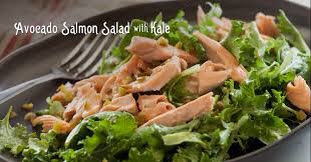
Avocado Salmon & Kale Salad


This outstanding salad is loaded with flavor and packed with nutrient-rich ingredients. Baking the salmon for the recipe is easy, but you can also use leftover grilled or poached salmon. Find baby kale in the packaged salad greens section.


Ingredients
3/4 lb salmon fillet
1 avocado, pitted, peeled and chopped, divided
2 tbsp lemon juice
6 cups baby kale
2 tbsp chopped pickled jalape�o peppers, or to taste


The unique protein and amino acid composition of salmon is often overlooked in its nutritional profile. Salmon contains short protein molecules called peptides that have been shown to be bioactive and may have important anti-inflammatory properties. Salmon also provides important amounts of the antioxidant amino acid taurine. Salmon is an excellent source of anti-inflammatory omega-3 fatty acids and immune-supportive selenium. It is also a very good source of muscle-building protein and heart-healthy niacin and vitamin B12. Additionally, it is a good source of energy-producing phosphorus, vitamin B6, and magnesium.


Method
Preheat the oven to 400�F. Line a small baking pan with parchment paper. Arrange salmon on the pan, skin-side down, and bake until just cooked through, 10 to 12 minutes. Cool slightly, remove and discard skin, flake flesh and set aside.
While salmon is baking, mash half of the avocado with lemon juice and 1 tablespoon water in a large bowl until you have a chunky dressing. Add kale and toss very well, making sure all leaves are coated.
Divide kale among serving plates. Top with flaked salmon and remaining avocado. Sprinkle with jalape�os and serve.

Note: If using leftover cooked salmon, you'll need about 2 cups flaked cooked fish


Kale provides an excellent source of vitamins B6 and C, carotenes, and manganese. It is also a very good source of vitamins B1, B2, and E, fiber, iron, copper, and calcium. Kale has almost three times as much calcium as phosphorus. This is a beneficial ratio because high phosphorus consumption has been linked to osteoporosis since it reduces the utilization and promotes the excretion of calcium. Kale and collard greens exhibit the same anticancer properties as other members of the cabbage family.


Leave us a Comment if you try this recipe and let us know how you like it>>>

from WholeFoods market recipe

Thursday, June 6, 2013

Avocado Lime Smoothie

Do you want to start on the road to better health? Higher Healing Herbal Institute has been sharing very important information on the dangers of living with Acidosis. If your body is functioning in an Acidic state, then you will want to try this wonderfully Alkalizing Smoothie.
Avocado is one of the richest source of fiber among all fruits and vegetables. Packed with vitamins A, several B-complex, especially B3 (folic acid), powerful anti-oxidants like vitamins C and E, calcium, iron, potassium, etc.
Limes and lemons contain outstanding phytochemicals that are high in anti-oxidant and anti-cancer properties. They are potent detoxifiers with anti-biotic effect that is protective against bacterial poisoning.

Avocado Lime Alkalizing Smoothie
1 avocado
� cup lime juice
1 tbsp almond milk
� tbsp raw sugar
1 scoop of Ultimate GreenZone
Cut the avocado in half and remove the seed. Remove the contents with a spoon and put in a blender. Add some lime juice, the milk and raw sugar. Blend to a smooth and creamy drink.
Depending on the amount of avocado you use in proportion to milk, the smoothie gets more or less creamy. If you use a lot of avocado you can eat the smoothie with a spoon. Use more milk if you want to drink it easily. The healthy fat in the avocado is filling and tasty.

Leave a comment and tell us what you think...


Update

I haven't been putting much effort into blogging these past few weeks.  Frankly, a little break has been nice while I take care of other things in my life.  But I haven't been twiddling my thumbs.  Obesity research hasn't slowed down and there are many topics that I'd love to write about here if I had the time.  I'll be starting a new series soon on the genetics of obesity-- a fascinating subject.  I also plan to cover some of my recent publications on obesity and blood glucose control by the brain.  Last but not least, we will soon roll out a substantially upgraded version of the Ideal Weight Program.  Those who have already purchased the program will continue to have access to the new version.


Healing with Foods - Tomatoes!


Description:
Everybody is familiar with a tomato. But perhaps not everybody knows that tomato is a fruit. A tomato doesn't have the sweet quality of a fruit so is most often used as a vegetable.
 
Depending on the variety, tomatoes vary in size, shape, color (red, yellow, orange, green, black, white) and taste. The most common varieties of tomatoes have a thin, red skin covering a red, juicy flesh which is divided into a varied number of cavities filled with moisture and small yellow seeds surrounded by a gelatinous substance. Avoid seedless tomatoes as those are hybrid tomatoes and are not as nutritious as the ETERNAL made them.
 
Nutritional Benefits:
Tomatoes are rich in moisture, vitamins and minerals, and phytonutrients. They are an excellent source of vitamins C, B6 and K, betacarotene, biotin, niacin, potassium, phosphorous, calcium, iron, zinc and selenium, as well as of many organic acids such as citric and malic acids which are responsible for the characteristic tomato flavor.
Tomato seeds and skin are good sources of fiber, while the red flesh contains a powerful anti-oxidant�the carotenoid pigment lycopene, which provides the fruit�s red color.
Health Benefits:
Due to its high content in anti-oxidants, organic acids and other essential nutrients, tomato is a true elixir of health. Some of its health properties have been known from centuries, some have been discovered only recently and it is not unlikely that other new interesting health benefits will be revealed in the future.
 
 
Anemia: The combined action of iron and vitamin C found in tomatoes promotes the synthesis of hemoglobin and the formation of new red cells, thereby helping to prevent or treat different types of anemia.
Anti-cancer: Several research studies have shown that lycopene, a carotenoid pigment found in the skin and flesh of tomatoes, may play a role in the prevention of some types of cancer, including lung, prostate and colon cancer. Lycopene derives its health benefits primarily from its antioxidant activity which is even higher than that of betacarotene. Thus, it is an extremely powerful anti-oxidant activity that lycopene acts as an anti-cancer agent.
Anti-inflammatory properties: It is well known that vitamin C, which is highly dense in tomato juice, helps prevent and fight inflammation. A recent study has shown that tomatoes contain another powerful anti-inflammatory agent, which is particularly concentrated in the tomato skin that fights inflammation.
Anti-oxidant: Several antioxidant substances are contained in tomato juice, including lycopene, betacarotene, vitamin C and selenium, which can be helpful in preventing the damage caused by free radicals to body tissues leading to premature aging and many chronic degenerative diseases.
Body detox: Not only does tomato juice has anti-oxidant and diuretic properties and improves the digestive function, it also stimulates the detoxifying function of the liver and kidneys. The overall result of these effects is a more efficient removal of toxins from the body with consequent improved health and well-being.
Bone and teeth health: Tomato juice is an excellent source of vitamin C, calcium and phosphorous, all nicely packaged for maintaining the structural integrity of bones and teeth.
Digestive function: The organic acids in tomato fruit and juice enhance the digestive function by stimulating salivary and gastric secretions, thereby promoting the digestion of foods rich in starch (such as bread, pasta, rice and potatoes), as well as in protein (such as meat, fish, eggs and milk products).
Heart health: Tomato improves heart health by helping lower blood pressure due to its high content in potassium. It also prevents the oxidation of cholesterol, which is one of the first steps in the formation of atherosclerotic plaques.
Skin health: Lycopene in tomatoes is said to improve the skin's ability to protect against harmful UV rays. Tomato is a skin food suitable for healing from internal or externally. Its rich vitamin A and C makes it helpful for anti-aging skin, skin imperfections and brightens up a dull complexion. Make a paste of tomato and an avocado, apply on face and rinse after 30 minutes.
Stress, tiredness and fatigue: The high content of potassium and phosphorous in this red juice helps relieve the symptoms of stress, tiredness, fatigue, muscle weakness, as well as prevent muscle spasms and cramps.
 
Consumption Tips:
The uses of tomato are endless. A ripe tomato can be eaten as-is, used to prepare salads or cooked in a variety of ways. But the best way to eat a tomato is by consuming the paste or juice as the processing helps to "release" the lycopene from the tomato's cells.
Eating tomatoes with olive oil improve lycopene absorption much better. Avoid canned tomatoes as its acid content may cause corrosion on the cans which gets in contact with the tomatoes, causing lead poisoning.
Likewise, do not cook tomatoes in aluminum cookware as the acid content in tomatoes will interact with the metal, causing aluminum poisoning.
As with most other fruits, store tomatoes in the fridge if you want to slow down its ripening process, or at room temperature to hasten the ripening process.
 
Caution:
Tomato is a highly nutritious fruit, but may trigger allergic reactions, especially in young children. Tomato is one of the fruits that contains moderate amount of oxalate and may not be consumed by persons with a history of calcium oxalate kidney stones.
Just as other members of the nightshade family, unripe tomatoes contain a toxic agent called solanine. Solanine is tomatoes' natural defense and is found in the green portions of tomatoes. It may cause gastrointestinal disorders (nausea, vomiting, diarrhea, stomach cramps), as well as neurological symptoms (headache, dizziness). That�s why tomatoes should always be consumed when fully ripe and devoid of solanine.

Feta & Parmesan Zucchini Bake Recipe!


(recipe adapted from Kalyn's Kitchen)

6-7 medium zucchini or yellow summer squash

2 Tb olive oil

2 Tb minced garlic

2 tsp dried thyme

4 eggs

2/3 C light sour cream

1 C crumbled feta cheese

1/2 C fresh parmesan cheese

2 Tb lemon juice

salt and pepper


1. Preheat oven to 375 degrees and spray a large casserole dish with nonstick spray.

2. Slice the squash into 1/4" slices. If they are larger squash, cut them down the middle before slicing. Heat the oil in a large non-stick frying pan. Add the squash, garlic and thyme. Saute and stir just until the squash is starting to soften slightly. Don't cook too long or it will be mushy after it bakes in the oven. Remove from the heat.

3. Beat together the eggs, sour cream, cheeses and lemon juice in a medium sized bowl. Place half of the squash into the bottom of the casserole. Sprinkle on some salt and pepper (remember the cheeses are salty!) then spread 1/2 of the egg mixture over the top. Repeat with remaining squash and egg mixture.

4. Bake for 40-45 minutes, until the mixture is bubbling and slightly set. Serve hot.


8 Unexpected Food High Cholesterol


High cholesterol in the blood is a risk factor of heart disease. However, high cholesterol is not formed overnight, but slowly. One was due to the wrong diet.

Although you do not have the signs, symptoms, or family history of heart disease, but the obligation to maintain a healthy diet to keep a good health.

Maybe you've been avoiding fatty foods that are known as a source of cholesterol. However, there is also an unexpected foods containing high cholesterol as follows:


1. Poultry
Poultry meat is considered more than minimal risk because red meat has fat content tends to be lower. However, if eaten in large quantities or too frequently, poultry will also have negative effects, one of which is the increase in blood cholesterol levels.

2. Added sugar
One fact that is surprising is the added sugars was associated with decreased levels of "good" cholesterol or high density lipoprotein (HDL) in the blood. Thus, the reduction of added sugars in the diet, in addition to reducing the risk of diabetes also improve cholesterol levels.

3. Mashed potatoes
Mashed potatoes or mashed potato proved to have a high fat content. Especially those found in the restaurant as it contains butter, cream, milk, cheese overload. It makes one proficiency level is a source of carbohydrate foods high in saturated fat.

4. Pizza
One slice of pizza contains 10 grams of fat and 4.4 grams of saturated fat. That figure does not include toppings that may contain more fat.

5. Coconut
Coconut products such as coconut milk or coconut oil contains saturated fat which is quite high. However, its use in the scale was not too bad for my cholesterol level.

6. Dairy products
Dairy products do contain many essential nutrients like calcium, protein, vitamins, and minerals, but also contain saturated fat. Then you should choose low-fat products.

7. Pies and cakes
Pies and cakes made from butter, cream, milk, and cheese contain saturated fats. Then one bite of pie and cake is a high calorie contributes to the body.

8. Popcorn
One medium-size popcorn containers containing 60 grams of saturated fat and 1,200 calories. This is because processing takes popcorn oil affect cholesterol levels.


Sources : health.kompas.com